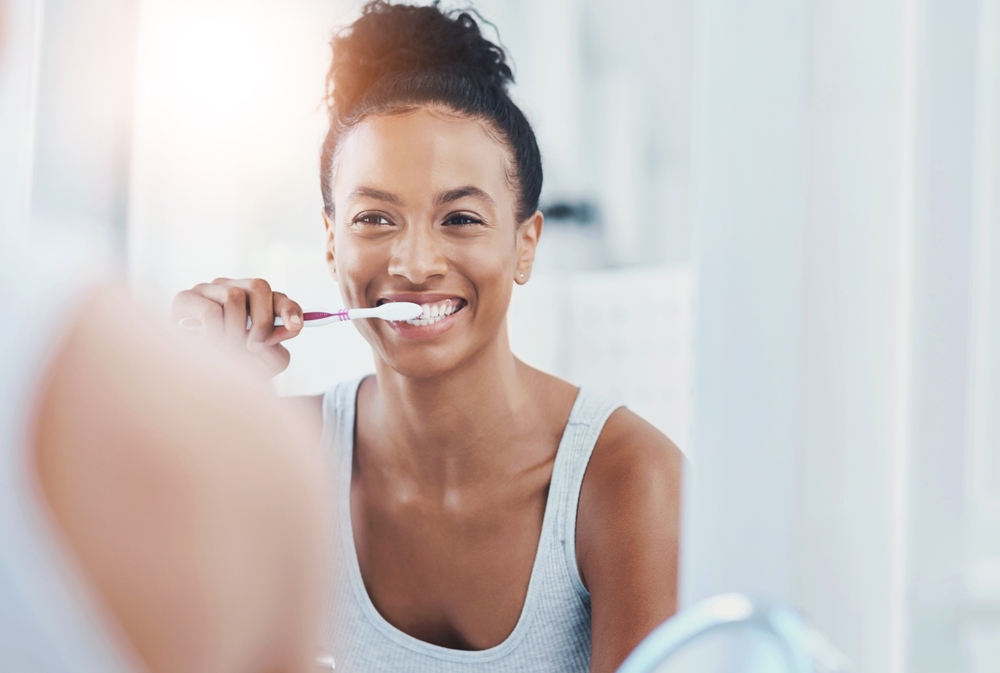
Brushing your teeth twice a day is one of the best ways to maintain good oral health. However, many people notice that their teeth still appear yellow or discolored, even when they follow a consistent brushing routine.
The truth is that tooth color is influenced by several factors, and not all discoloration can be removed with regular brushing. Understanding what causes teeth to appear yellow can help you determine the best way to maintain a brighter, healthier smile.
1. Your Natural Tooth Color
One thing many patients don't realize is that teeth are not naturally bright white. The outer layer of your teeth, called enamel, is somewhat translucent. Beneath the enamel is dentin, which naturally has a yellowish color.
Some people have thinner or more translucent enamel, making the yellow dentin underneath more noticeable. This means that even perfectly healthy teeth can have a slightly yellow appearance.
2. Coffee, Tea, and Other Foods Can Cause Staining
Certain foods and beverages contain pigments that can gradually stain the surface of your teeth.
Some common contributors include:
Coffee and tea
Red wine
Dark-colored sodas
Berries and other deeply pigmented foods
Tobacco products
Over time, these substances can leave stains that regular brushing may not completely remove. Drinking water after consuming staining beverages and maintaining regular dental cleanings can help limit surface discoloration.
3. Enamel Naturally Changes With Age
As we get older, our tooth enamel can gradually become thinner due to normal wear and exposure to acids. This allows more of the naturally yellow dentin underneath to show through.
Because of this, teeth may appear darker or more yellow with age, even if your brushing habits have remained the same.
4. Brushing Harder Won't Make Your Teeth Whiter
It can be tempting to brush more aggressively when you notice discoloration, but this can actually do more harm than good.
Brushing too hard or using highly abrasive toothpaste can contribute to enamel wear and gum recession. Since enamel does not grow back once it is lost, protecting it is important for both the appearance and health of your teeth.
Using a soft-bristled toothbrush, fluoride toothpaste, and gentle brushing techniques is a much better approach.
5. Can Professional Teeth Whitening Help?
If your teeth are healthy but you are unhappy with their color, professional teeth whitening may be an option.
Whitening treatments are designed to break down certain stain-causing compounds within the teeth, helping them appear lighter. However, not all discoloration responds equally to whitening.
For example, dental crowns, veneers, and fillings do not whiten the same way natural teeth do. This is why a dental evaluation is important before beginning any whitening treatment.
How Can I Keep My Teeth Looking Their Best?
While brushing alone may not completely eliminate discoloration, there are several habits that can help maintain your smile:
Brush twice daily with fluoride toothpaste.
Floss every day to remove plaque between your teeth.
Rinse with water after drinking coffee, tea, or other staining beverages.
Limit tobacco use.
Attend regular dental cleanings to remove plaque, tartar, and some surface stains.
Ask your dentist about safe whitening options before trying at-home treatments.
The Bottom Line
Having yellow teeth does not automatically mean that your teeth are unhealthy or that you aren't brushing properly. Natural tooth structure, aging, dietary habits, and enamel thickness all play a role in the color of your smile.
If you're concerned about discoloration, your dentist can help identify the cause and recommend an appropriate treatment.
A healthy smile doesn't have to be perfectly white, but understanding your options can help you feel more confident about your teeth.


Hours of Operation
Daily by appointment 9:00 AM - 6:00 PM
Thursday 9:00 AM - 6:00 PM
Friday 9:30 AM - 6:30 PM
Daily by appointment 9:00 AM - 6:00 PM
Thursday 9:00 AM - 6:00 PM
Friday 9:30 AM - 6:30 PM
Powered by